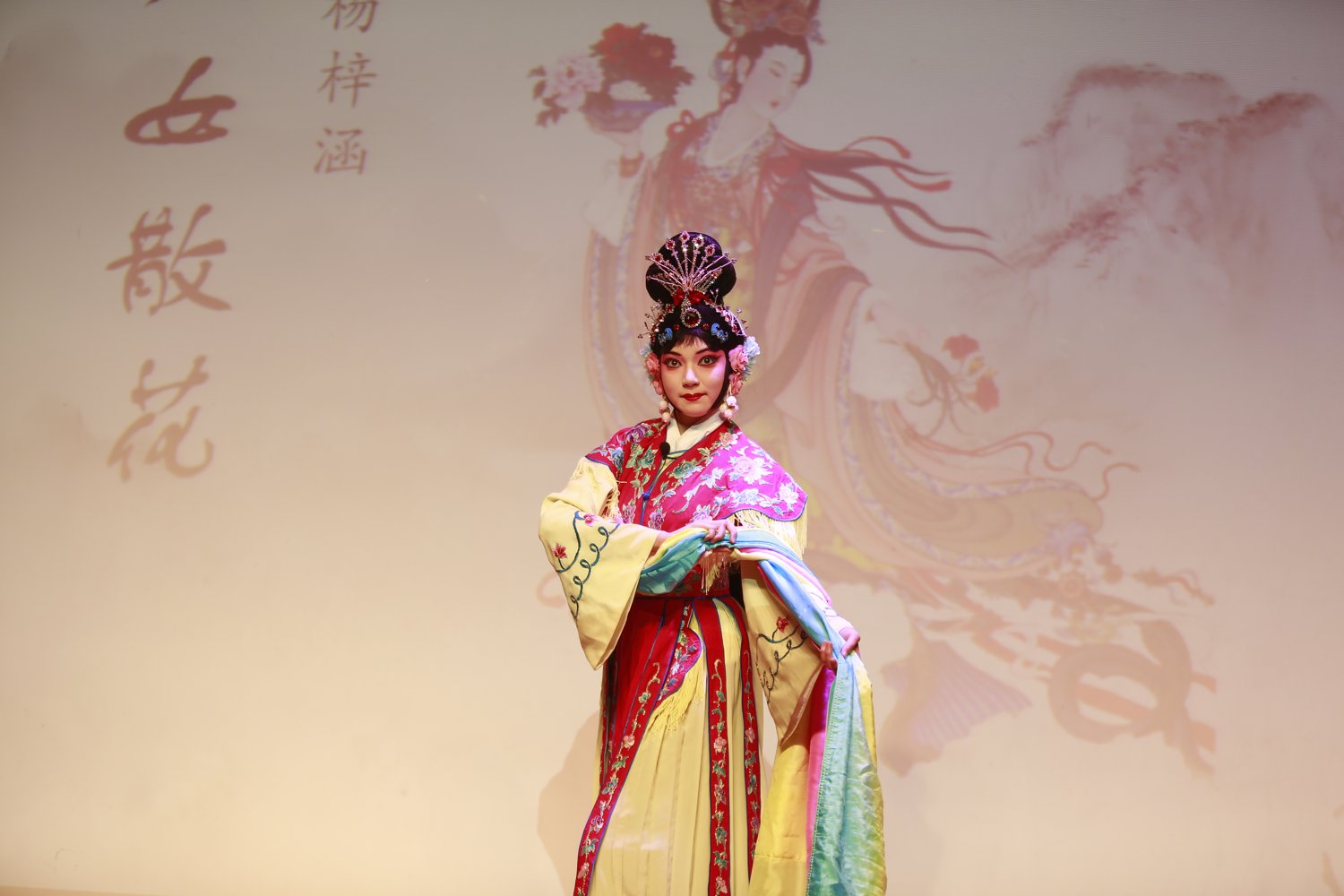
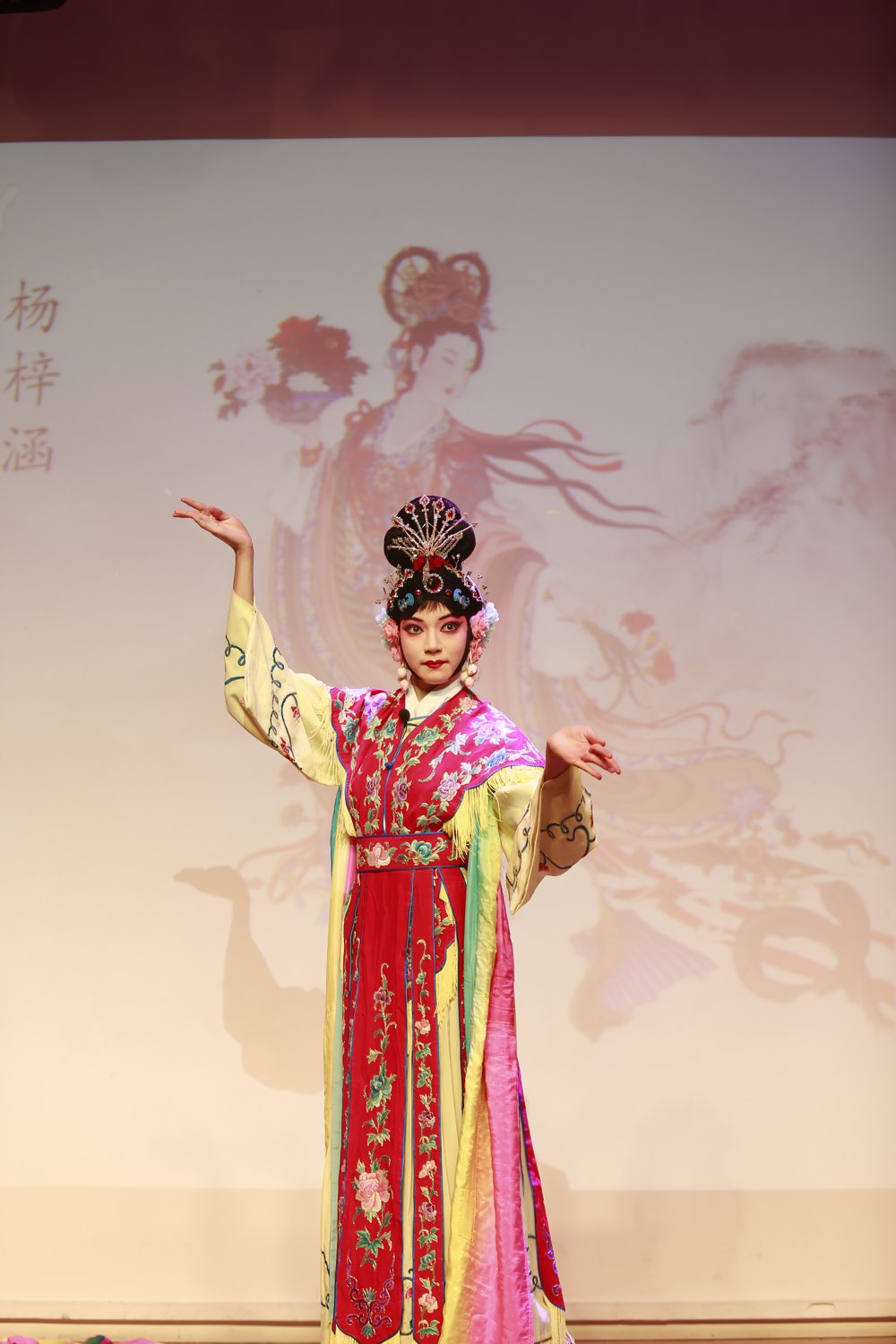
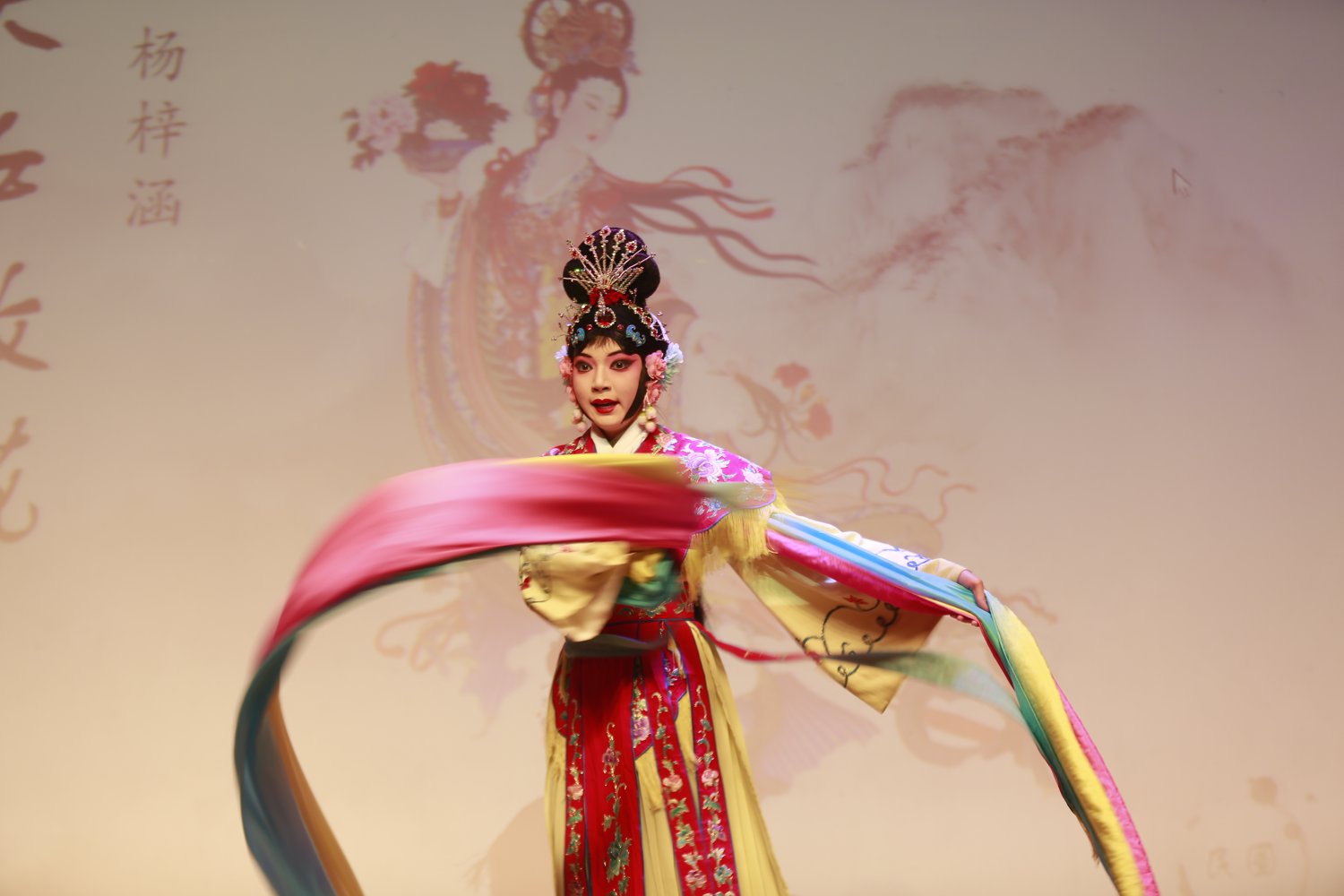
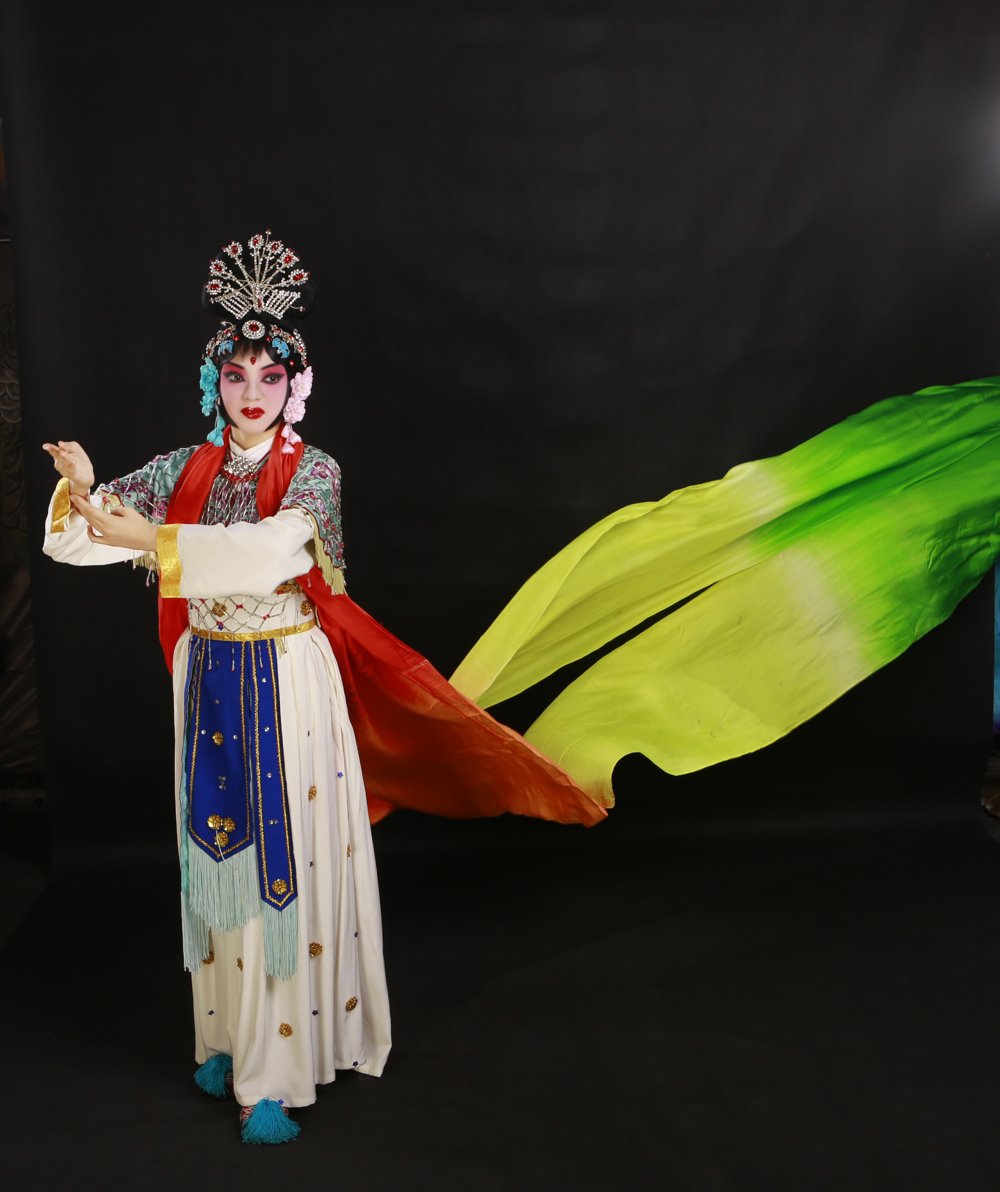
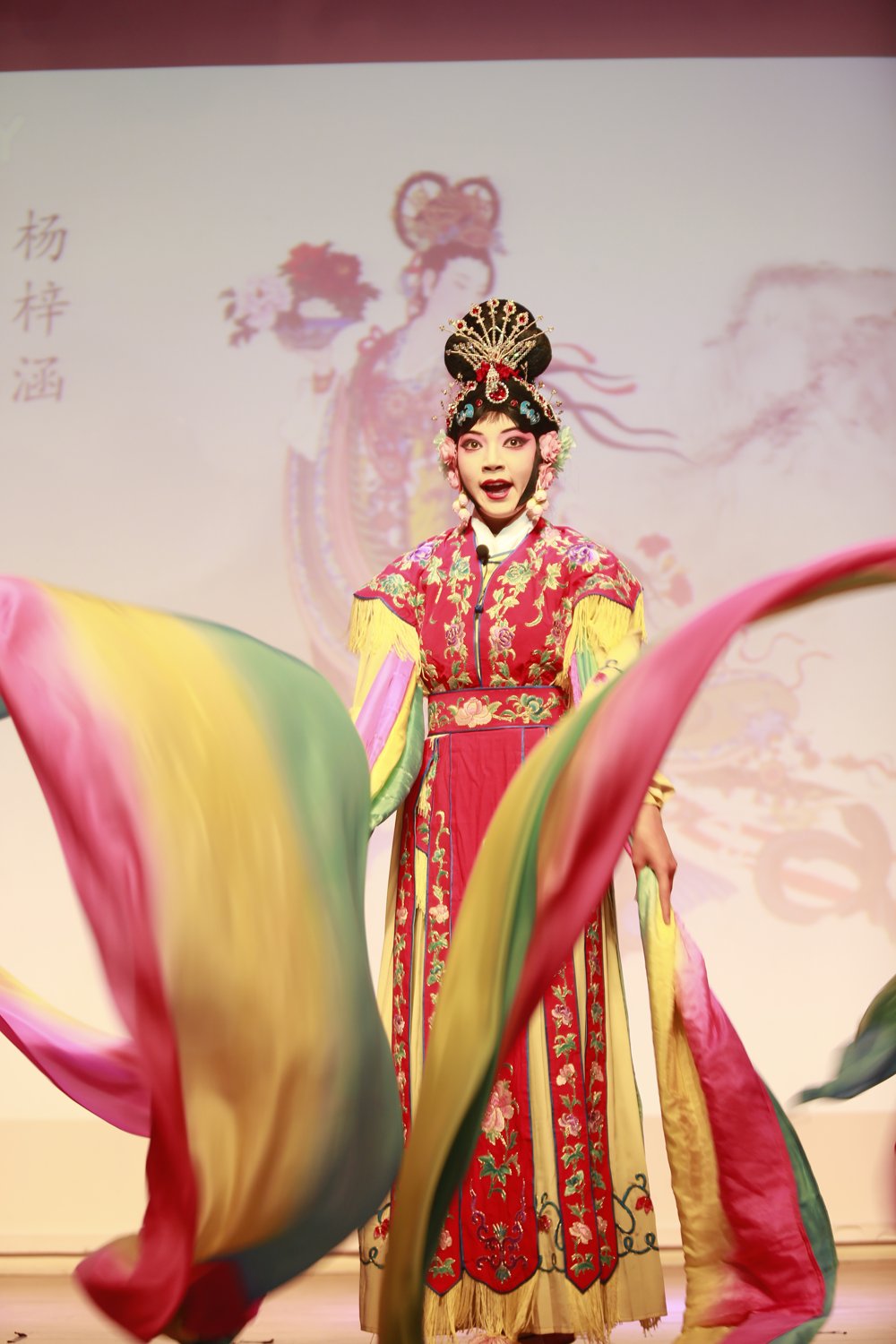
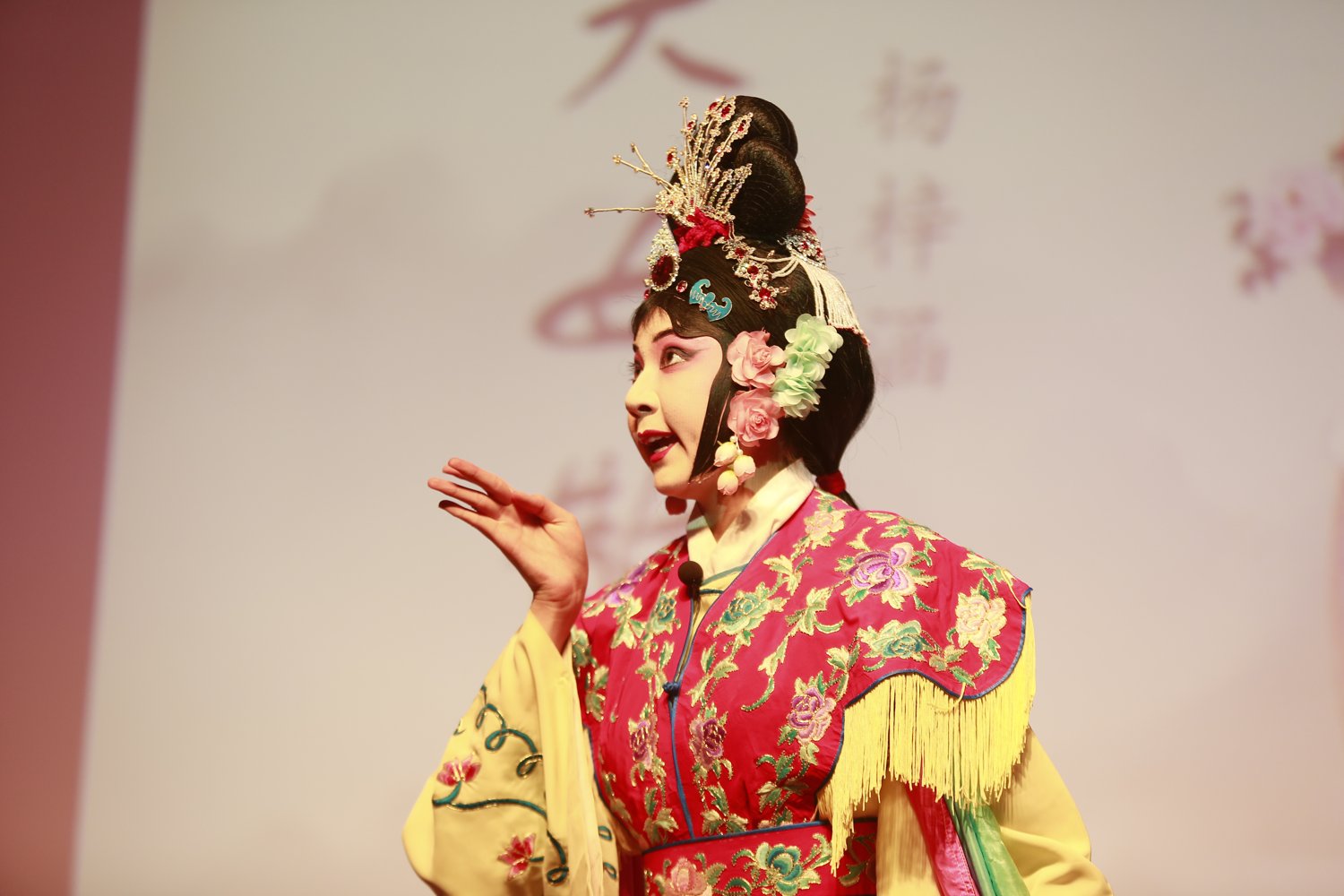
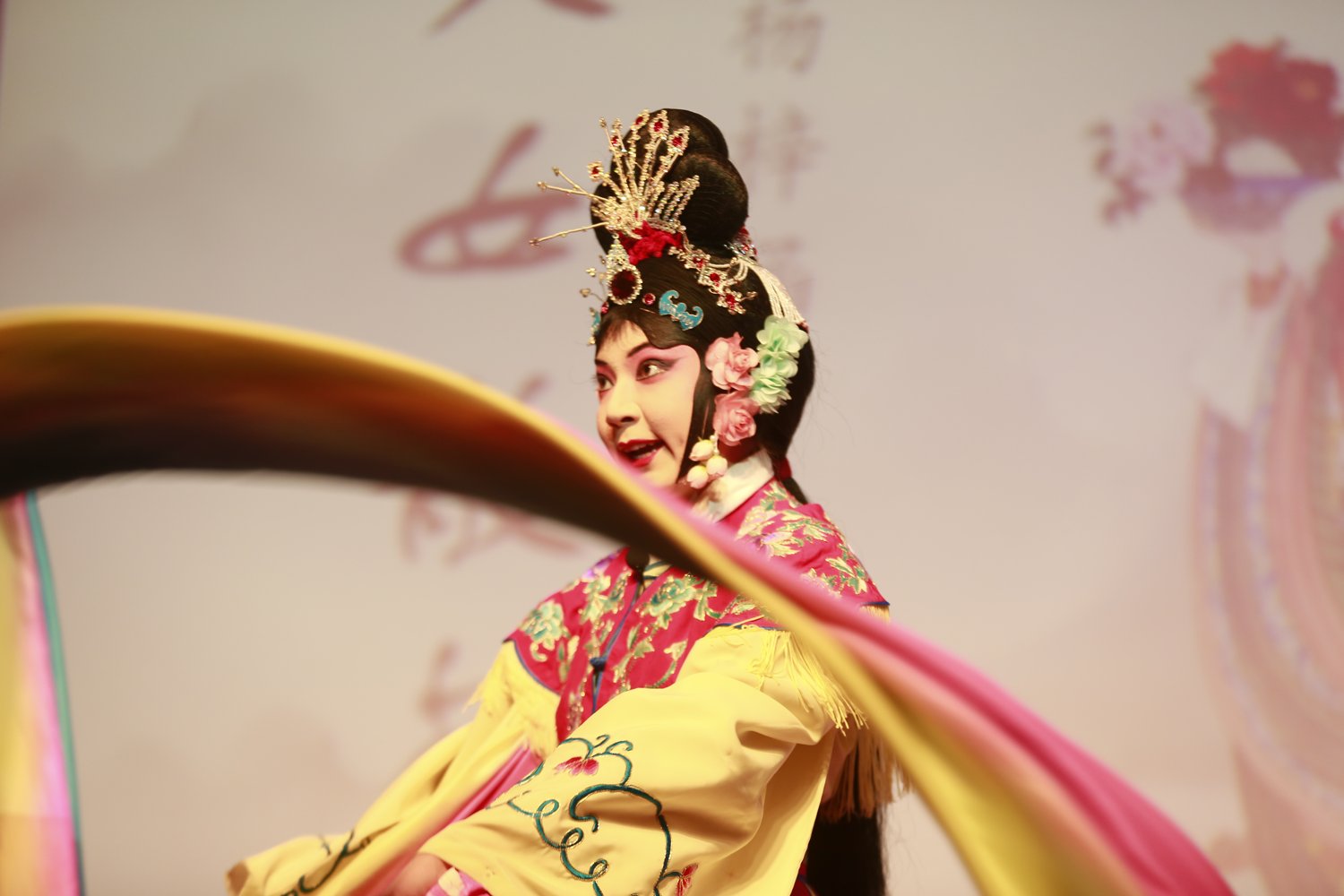
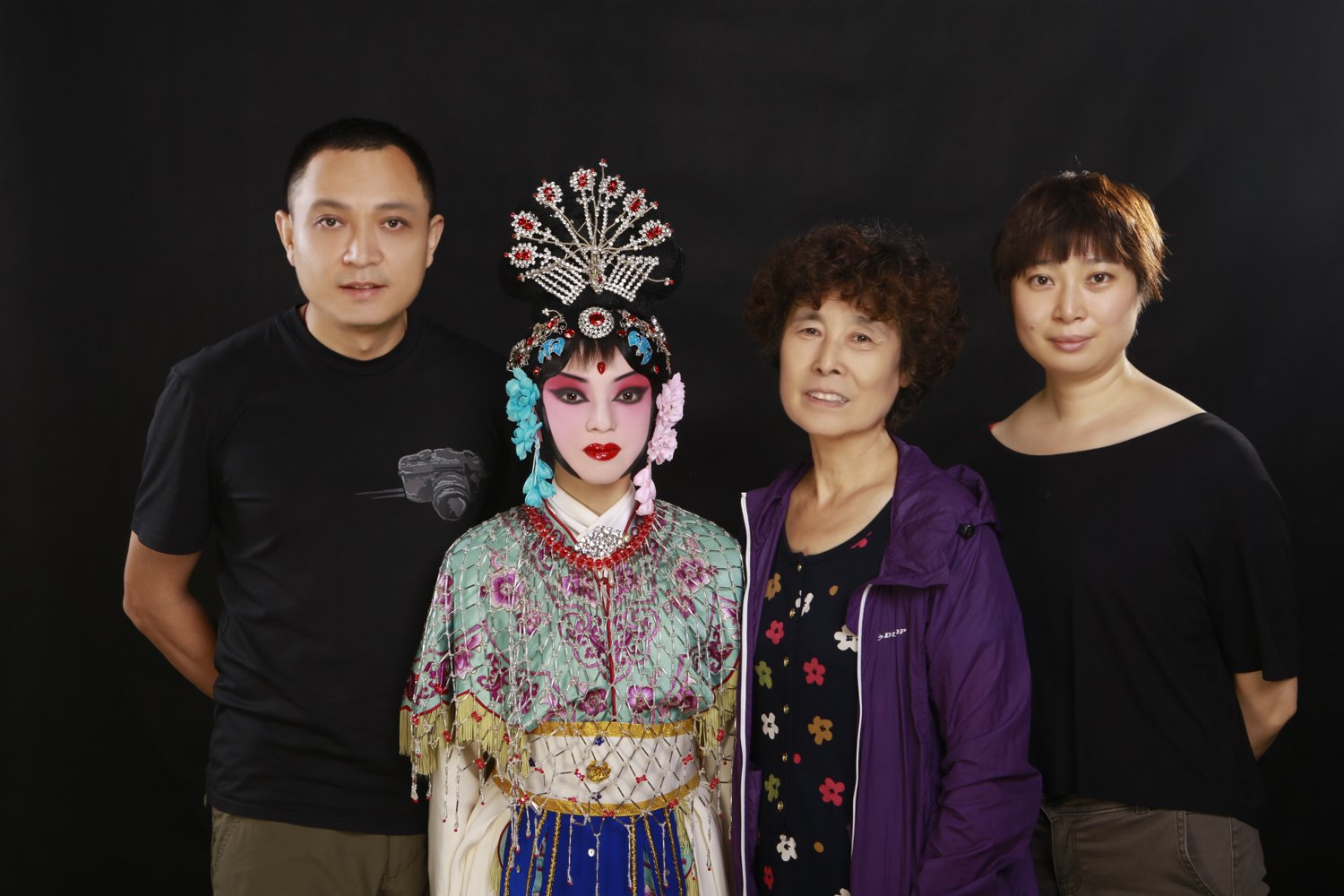
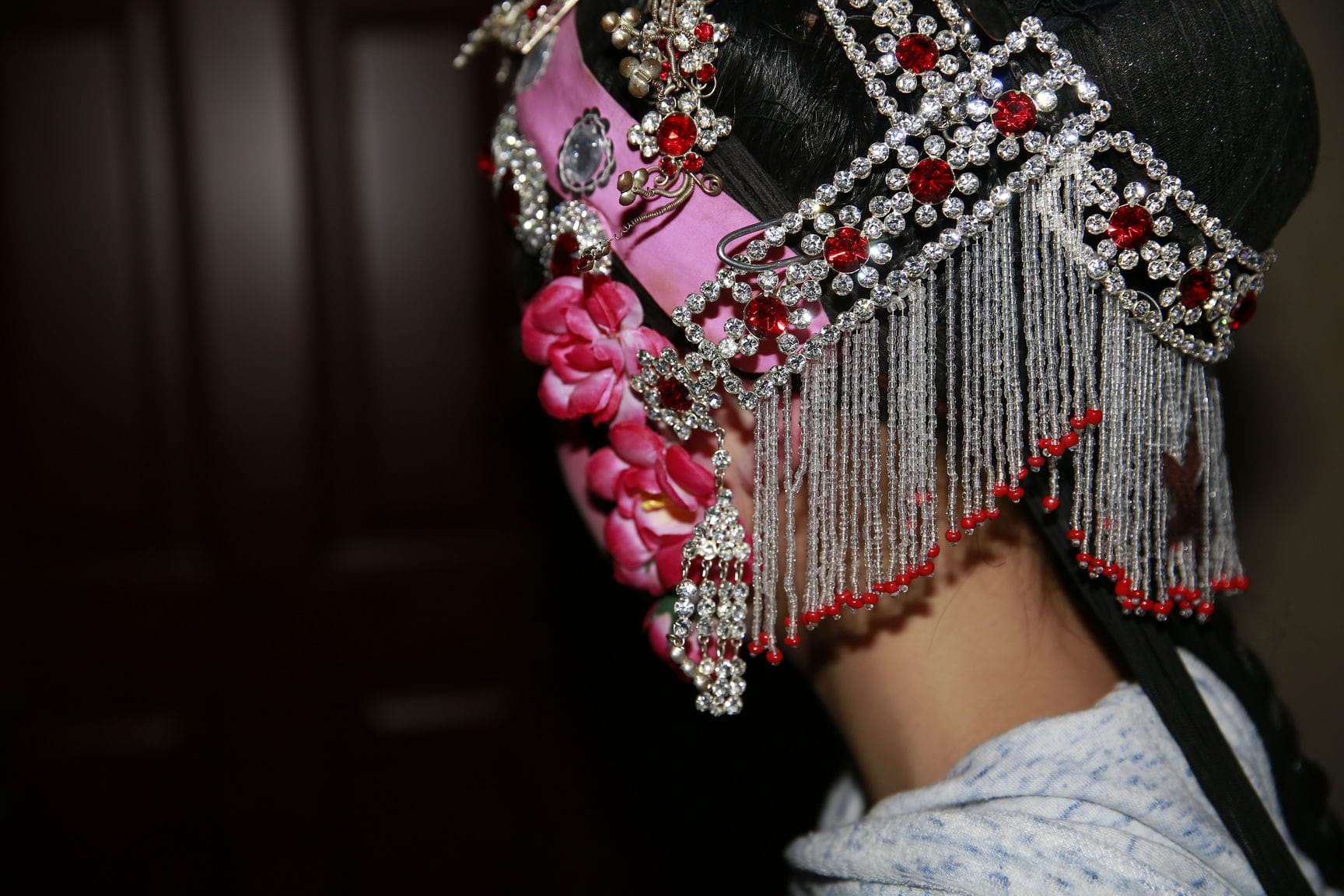
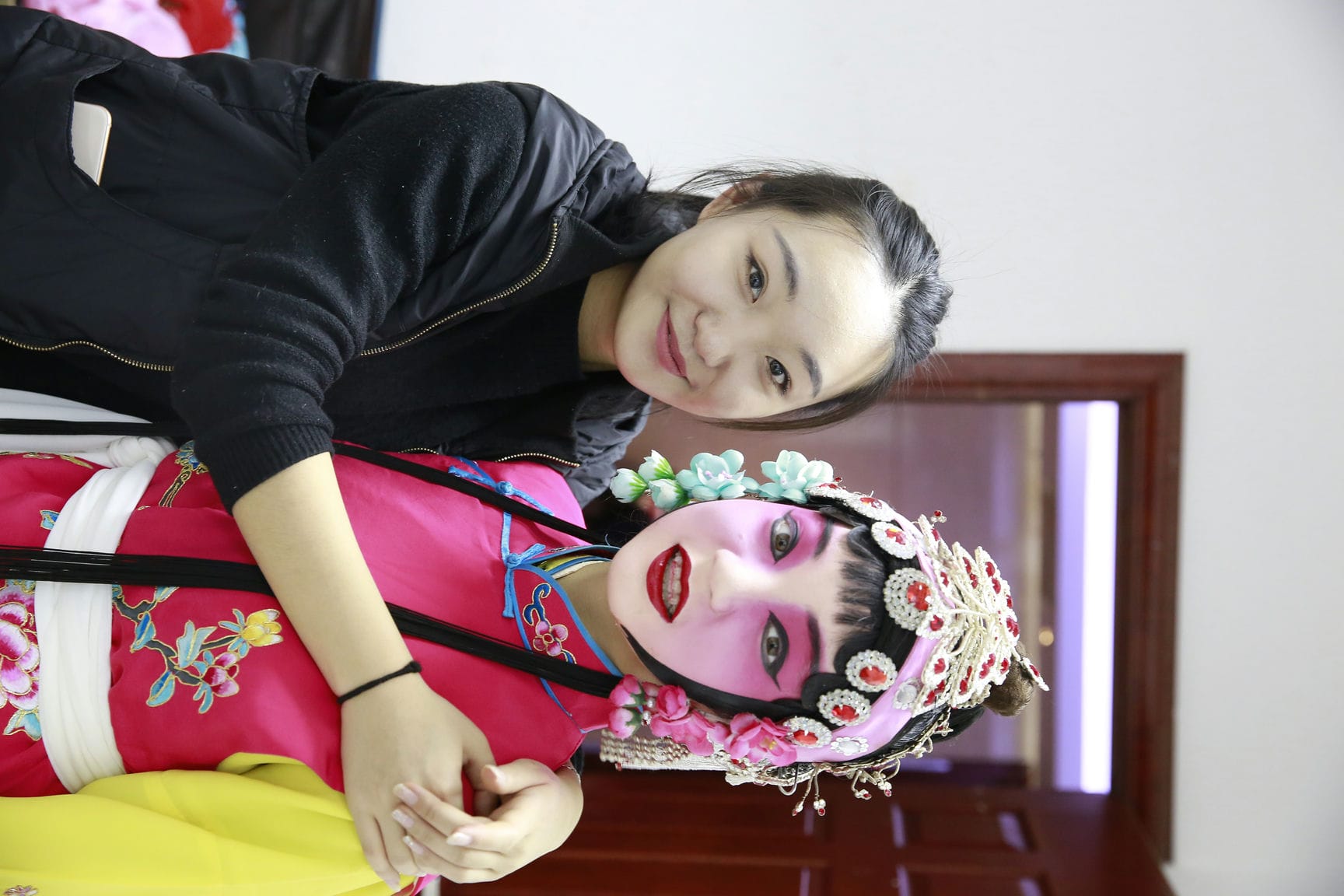
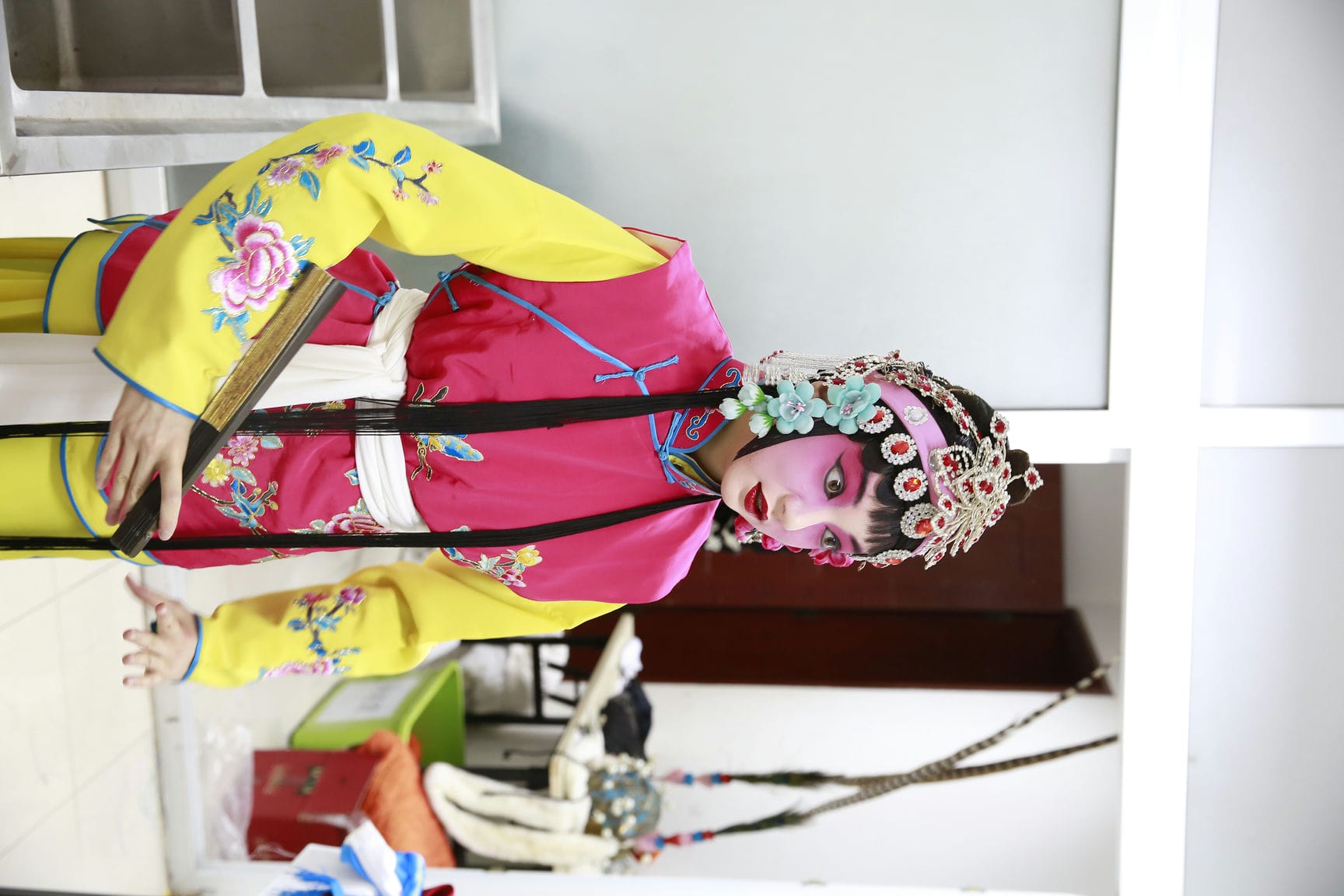
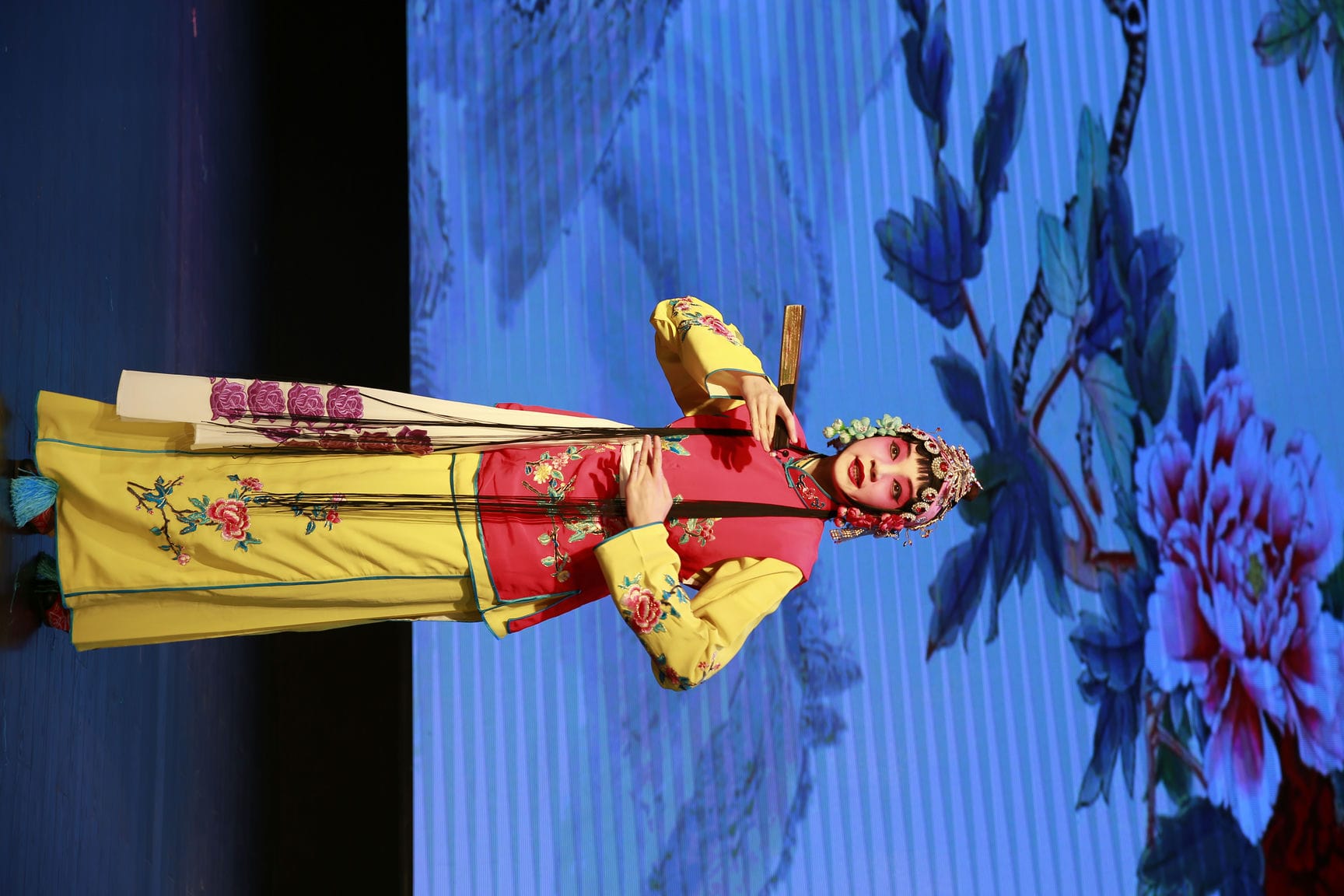
 Yang Zihan
China’s most influential genre of traditional opera
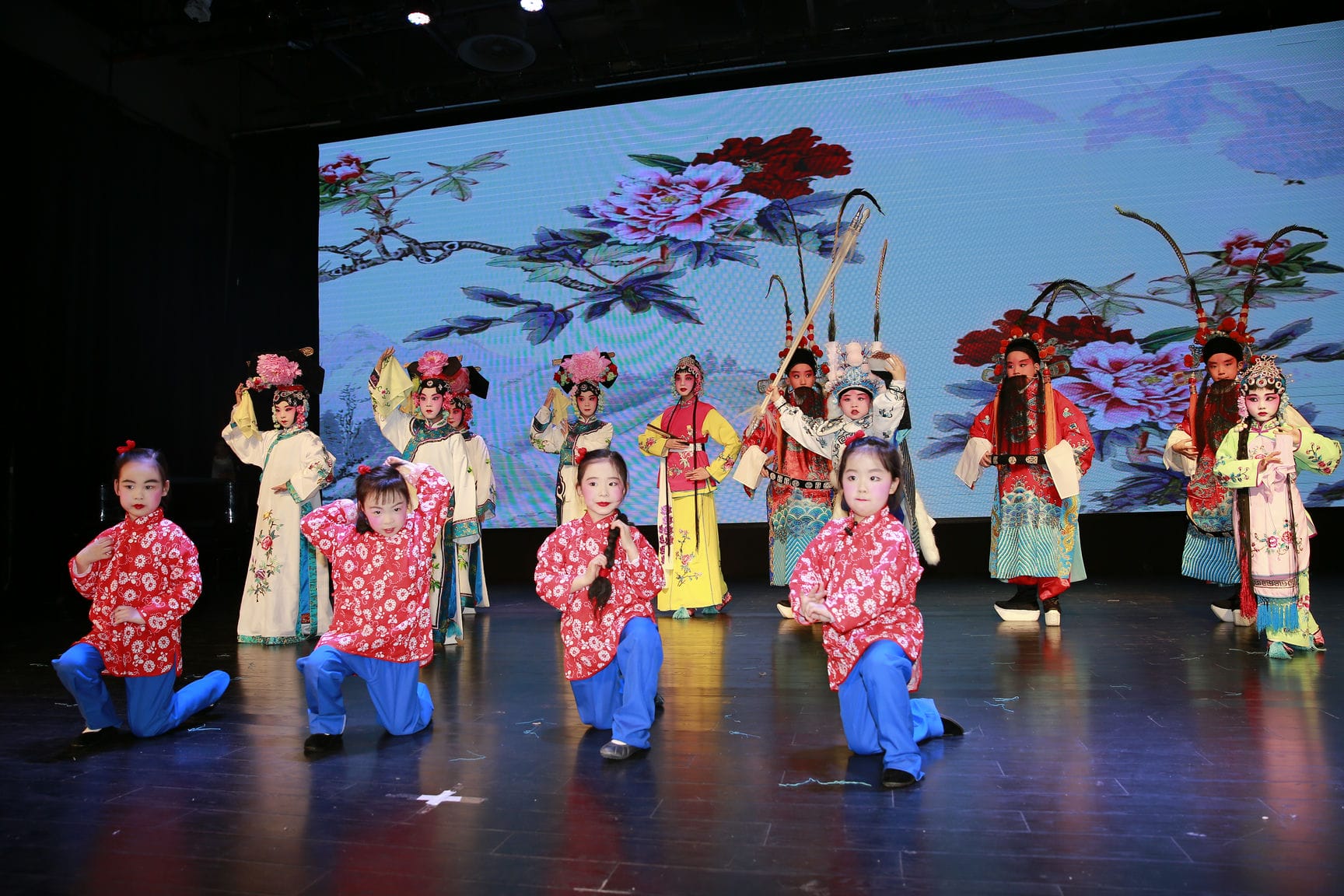
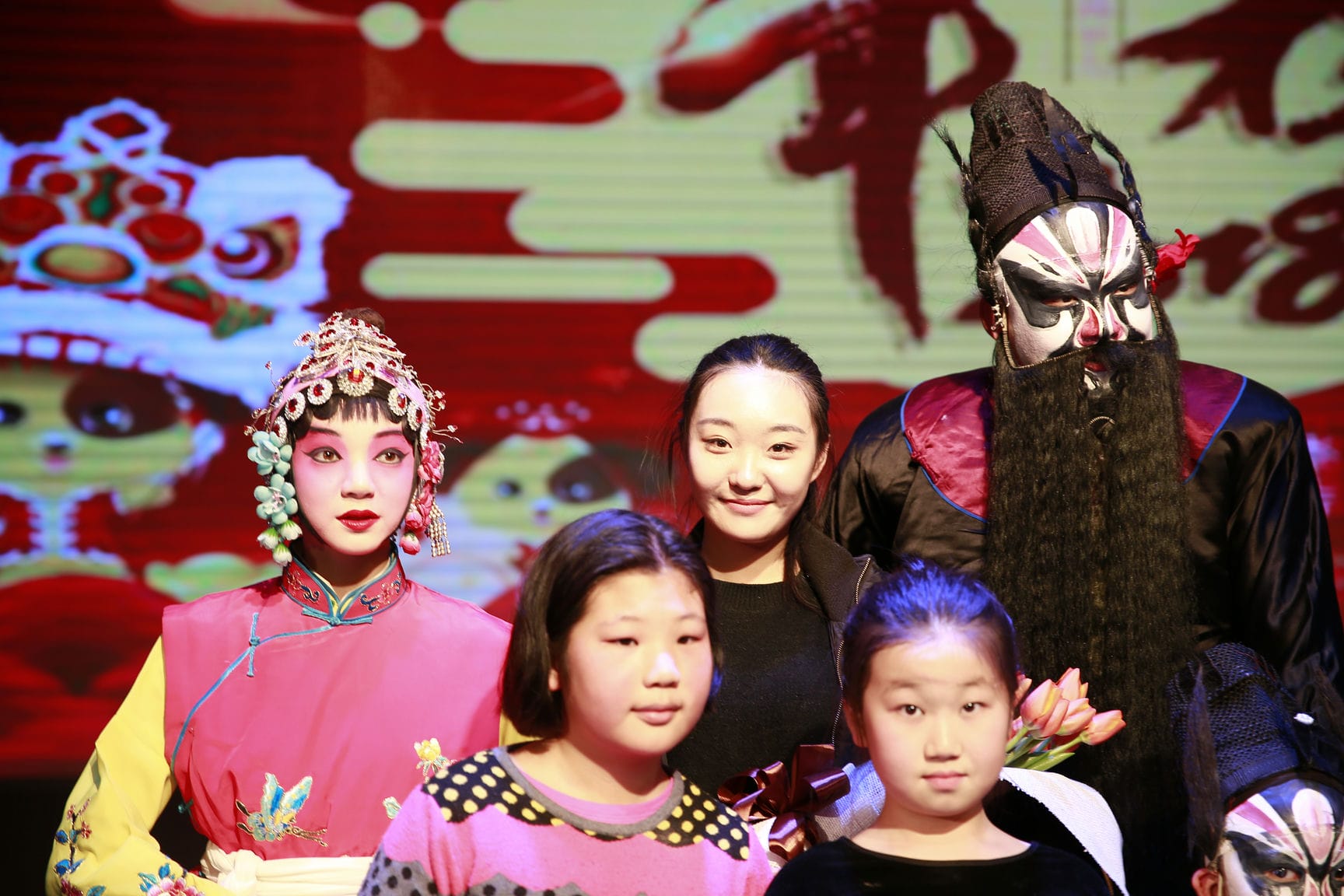
Also known as Ping Opera and Peking Opera, a quintessentially Chinese art form. It is the most influential genre of traditional opera in China, centered on Beijing and spread throughout the country.
About Beijing Opera
 Yang Zihan
In 1790, the 55th year of the Qing Dynasty Emperor Qianlong’s reign, the Four Great Anhui Troupes, including Sanqing, Sixi, Chuntai and Hechun, who were originally performing in the south of China, entered the capital Beijing one after another. They jointly performed with Hubei Han Troupes. The performers borrowed some plays, melodies and performing techniques from Kunqu and Shaanxi opera, drew on regional folk tunes, and eventually formed the Beijing Opera.
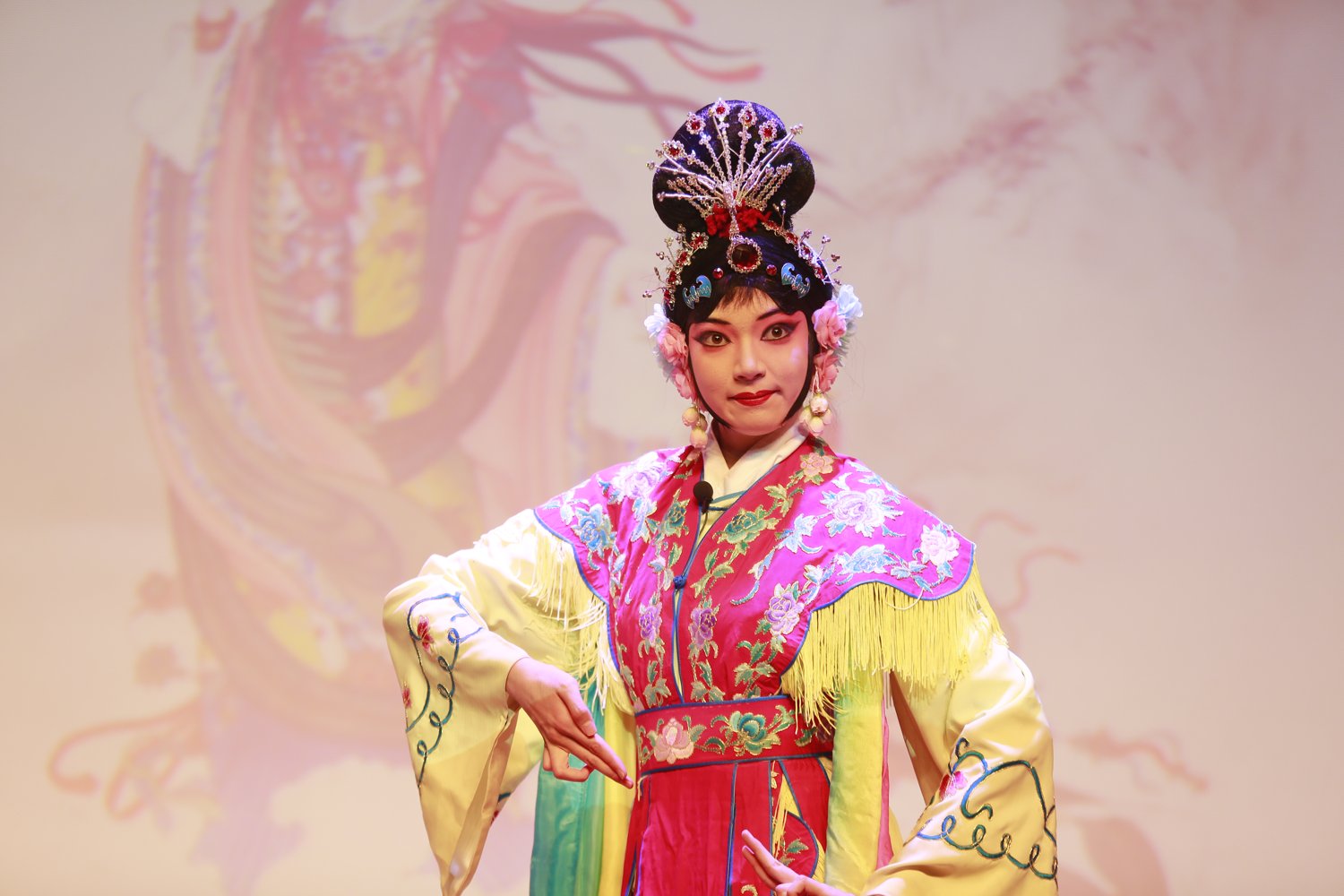
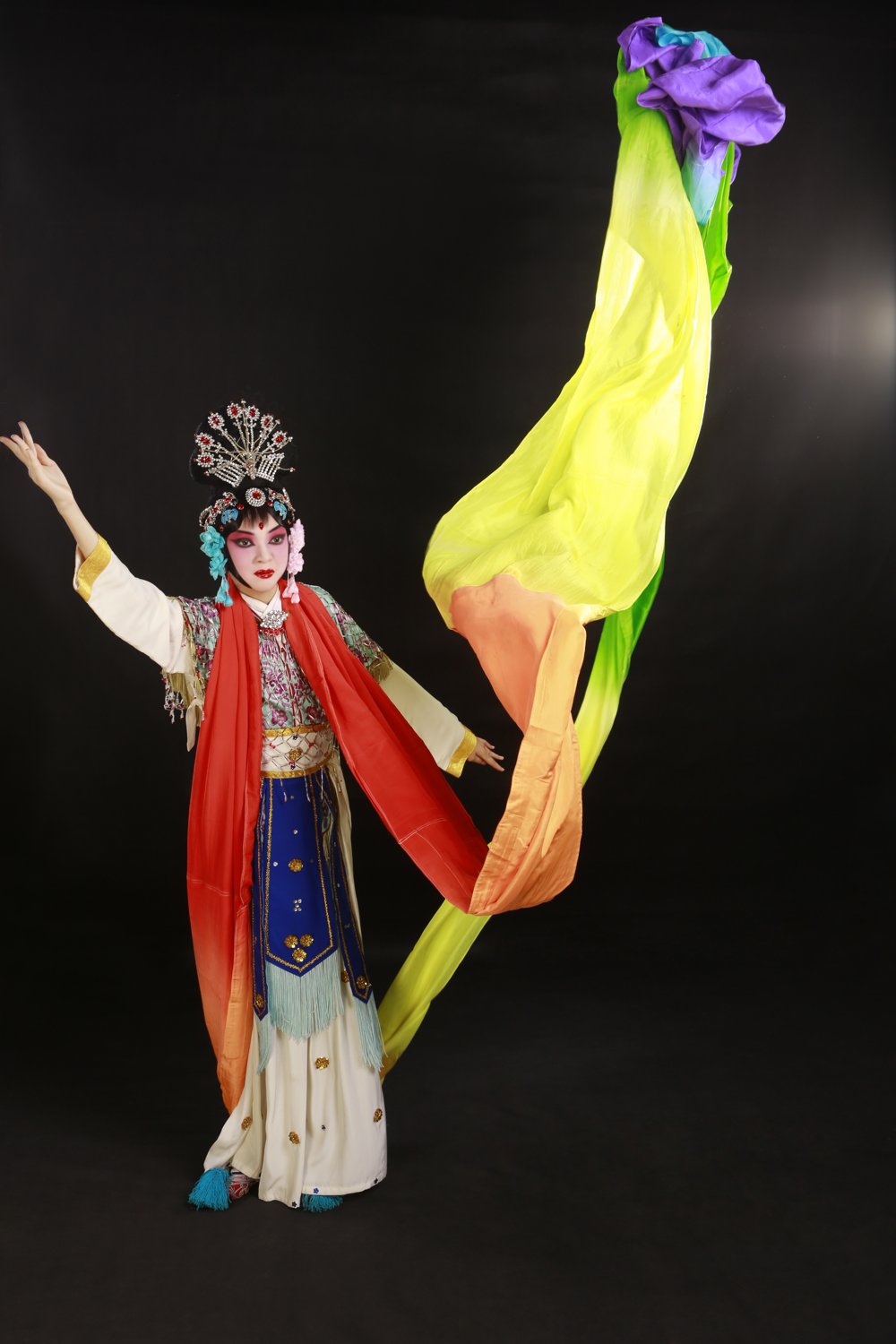
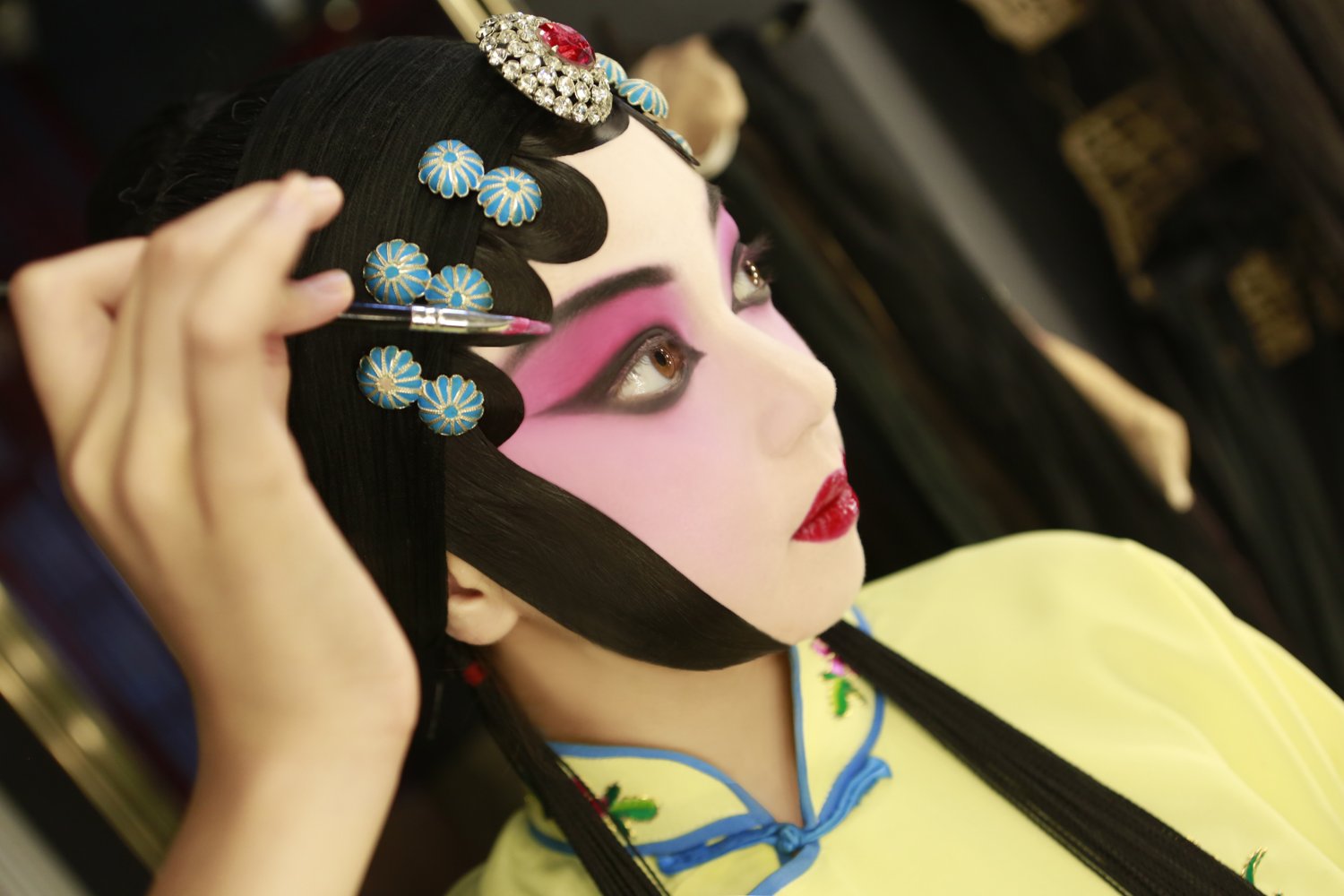
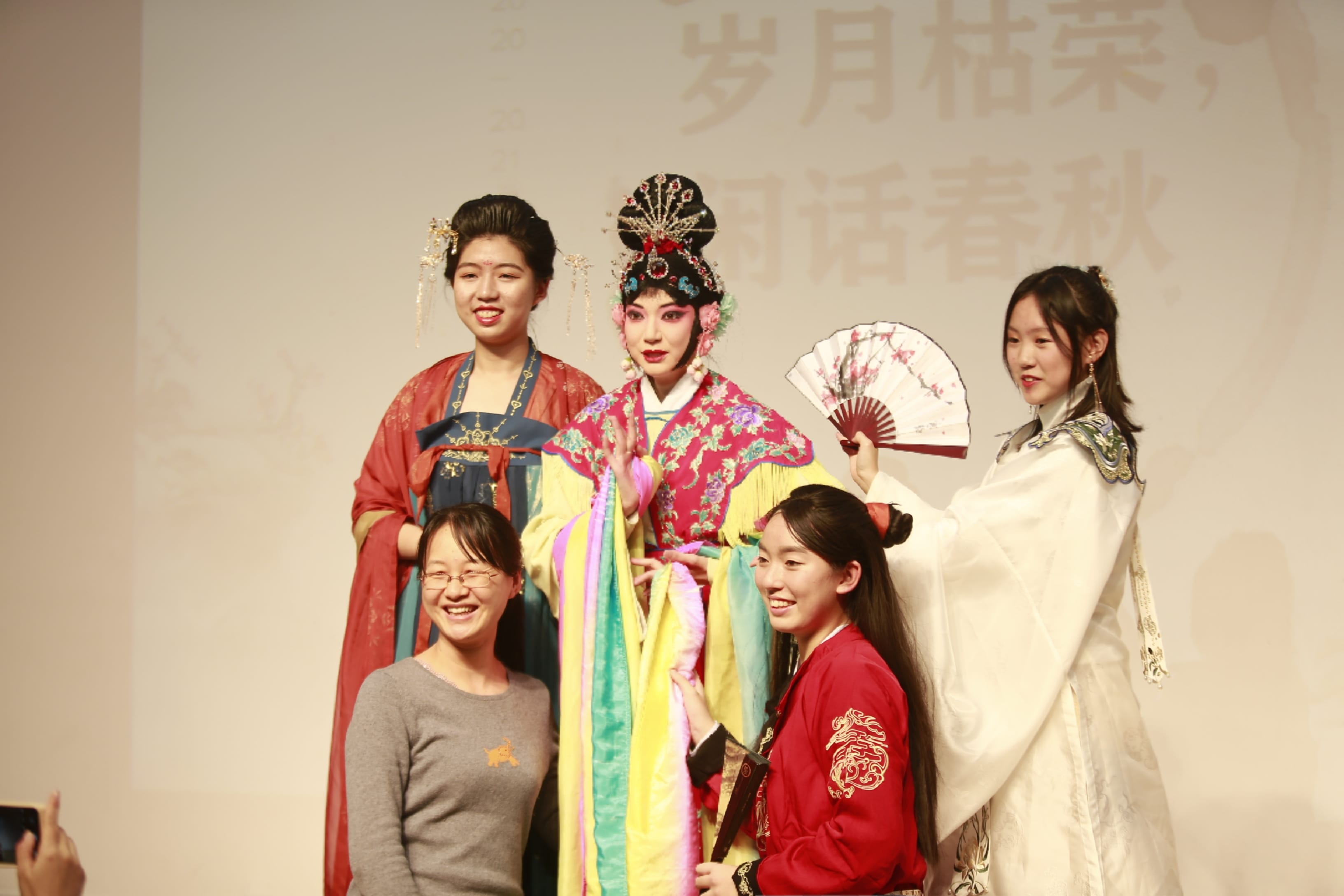
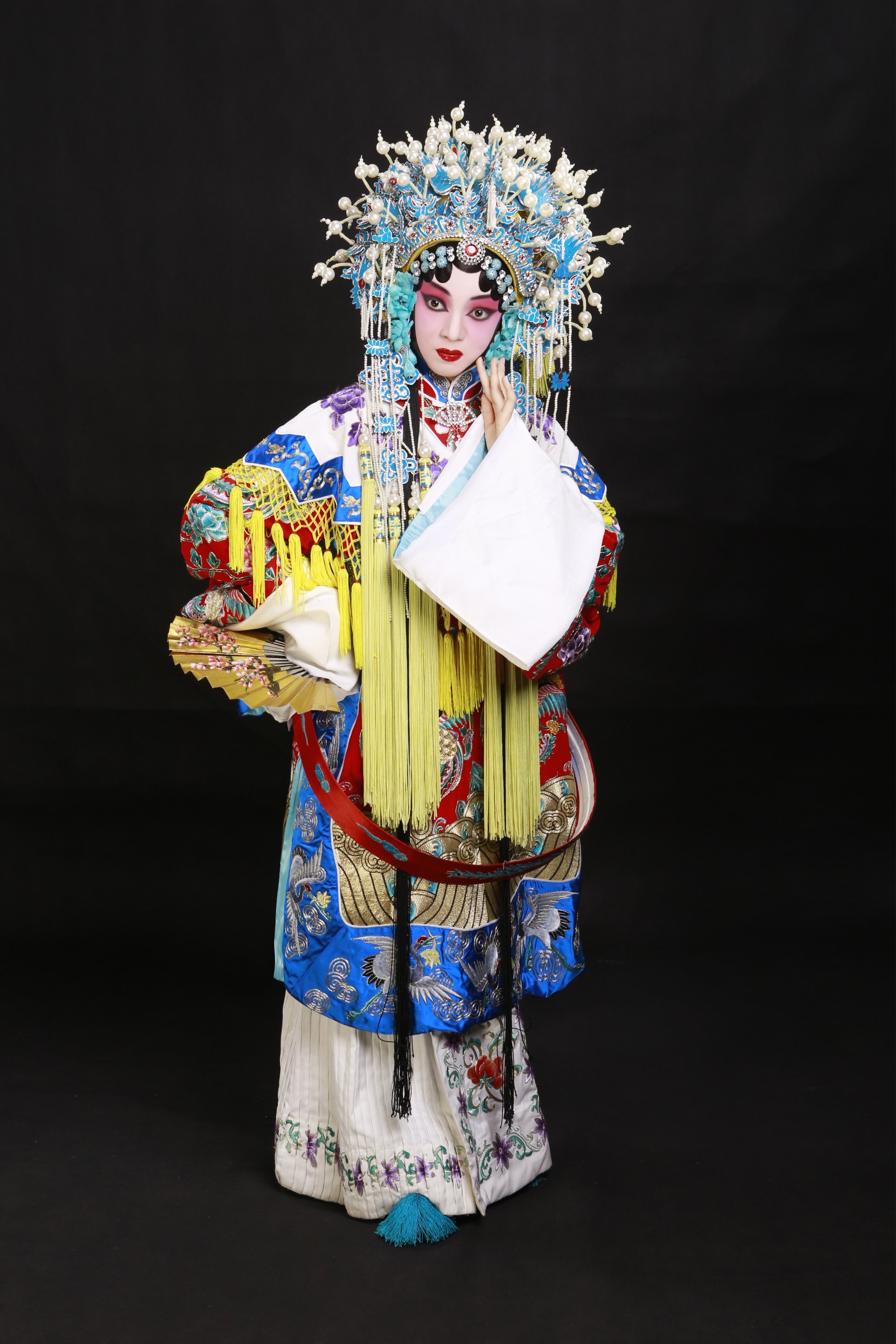
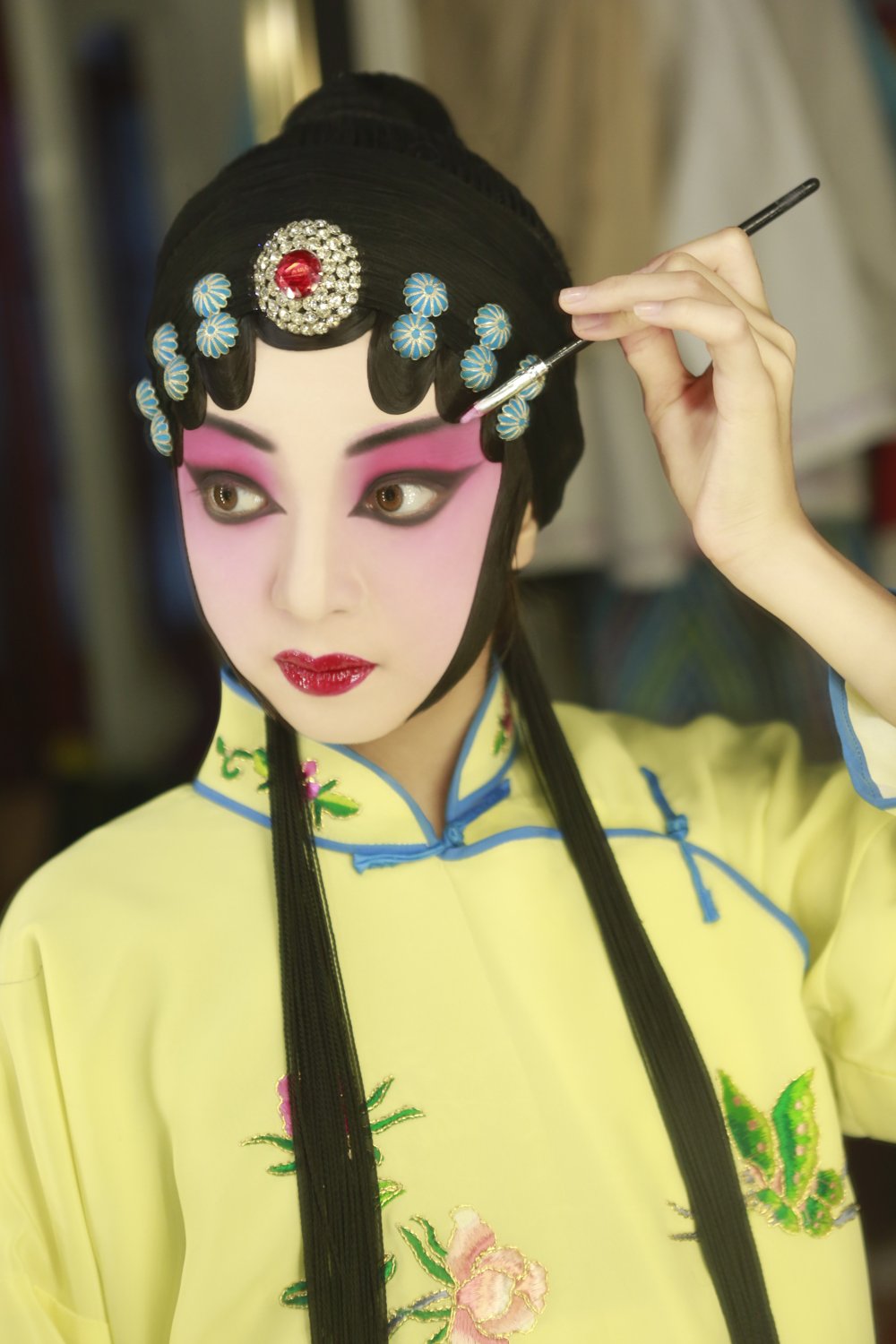
Beijing Opera has formulated a set of standardized artistic expressions in literature, performing arts, music, stagecraft and other aspects. The singing of Beijing Opera belongs to the plate-type variation, with Erhuang and Xipi as its main tunes. The accompaniment of Beijing Opera falls into two groups: Wenchang (gentle shows) and Wuchang (acrobatic fighting shows), of which the former uses Huqin (two-string bowed instrument) as the main instrument and the latter primarily uses drums and clappers. There are four main types of roles in Beijing Opera: Sheng (male role), Dan (female role), Jing (painted-face male role), and Chou (clown role). Each role has its own set of performance formulas, and distinctive characteristics in skills of singing, recitation, acting and acrobatics. The bulk of Beijing Opera involve characters and Stories from Chinese history. There are more than 1,300 traditional plays in the repertoire, among which 400 plays are frequently performed.
Beijing Opera, known as “National Opera”, has swept nationwide with an extensive influence. The Beijing Opera performance system named after Mei Lanfang (a notable Peking opera artist in modern Chinese theater) is regarded as the representative of theatrical performance in the east and also one of the three major performance systems in the world. Beijing Opera is an important manifestation of traditional Chinese culture, wherein a multitude of artistic elements are used as its characteristic symbols.
History
More than 200 years has passed since Beijing Opera’s inception. The Jingju Theater Company of Beijing (Jingju Theater for short, a national key Beijing Opera Theater with a large scale and an accumulation of art unseen elsewhere) has lived for hundreds of years, like an endless scroll, wrapping itself in history and stretching out for a long future.
Jingju Theater boasts a profound cultural significance with a long history. On the fertile ground accumulating history and culture of the ancient capital of Beijing, Beijing Opera successors passed it on to generations and wrote a sumptuous chapter of this quintessence. At such a palace of traditional art, the Liyuan family (a family engaged in Beijing Opera for several generations) has been passed down from generation and generation, and the sea of art has been sailing from the past to the future. The unique creativity and artistic morals of these Beijing Opera masters performed the classic repertoire, setting up good fame and solid monument of artistic quality for Jingju Theater.
Jingju Theater, as the oldest, largest and most powerful professional performing arts troupe in China, has been certified by Ministry of Culture as one of the TOP 10 key national-level Beijing Opera troupes. It is abundant in genres, packed with famous actors, and rich in repertoire, exerting a far-reaching influence. Meanwhile, as a key position carrying the history and prospects of this national traditional art, Jingju Theater’s artistic brand keeps flourishing. For more than 30 years in the new era of reform and opening up, people in the Jingju Theater have been forging ahead, presenting great momentum and vitality of leading the theater community and making sustainable development.
Beijing Opera Stories
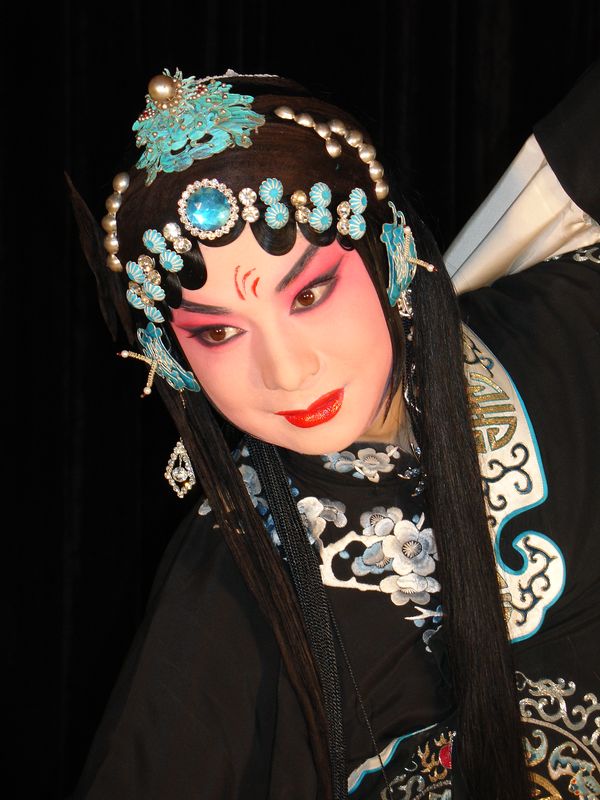
Yuzhoufeng
The play is also known as A Sword. Mei Lanfang has tempered this play, refined and perfected in terms of figure, singing, performance, making it a repertoire of the Mei School.
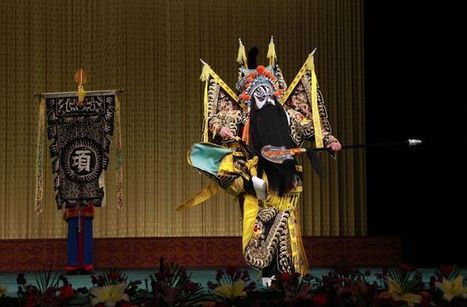
Farewell My Concubine
The play is from Shih Chi, Xiang Yu Benji. In 1922, Yang Xiaolou and Mei Lanfang premiered this play in Beijing. This play depicts the Chu-Han Contention at the end of the Qin Dynasty. Liu Bang nominated Han Xin as his commander. Han Xin dispatched his subordinate advisor Li Zuoche to deceive Xiang Yu, and tempted him to lead troops into the siege.
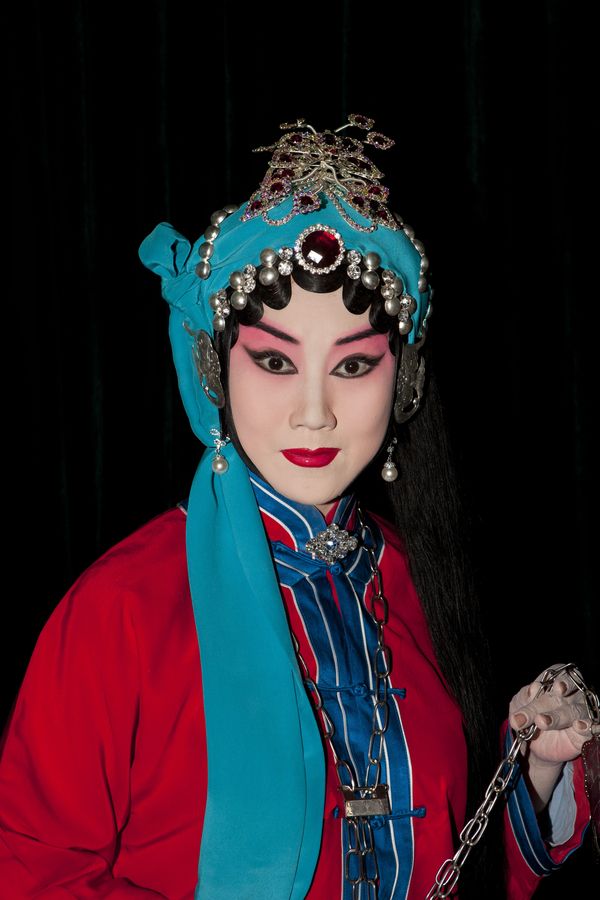
Yutangchun
The play consists of Whorehouse, Temple Fair, Arraignment, Trial, Prison Visit, Reunion and so on. As opera highlights, Su-San Under Police Escort and Joint Trial are often performed on stage.
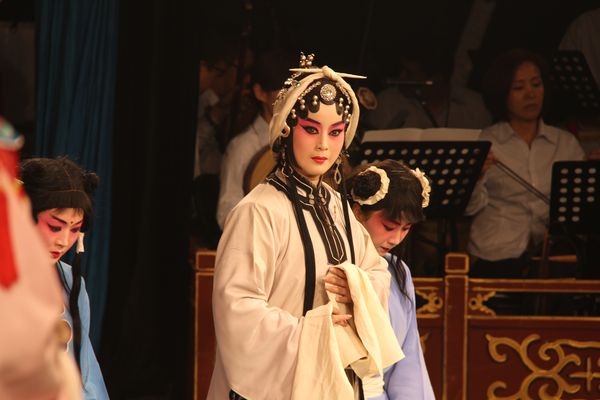
Qin Xianglian
The play was adapted from Wang Yan’s reference script, and premiered at the Beijing Workers’ Club in 1958. The play is complete in all roles of Sheng, Dan, Jing and Chou. In the section of Crossing the Palace, Qin Xianglian’s aria is added; in the section of Beheading Chen Shimei, Baozheng’s aria is added.
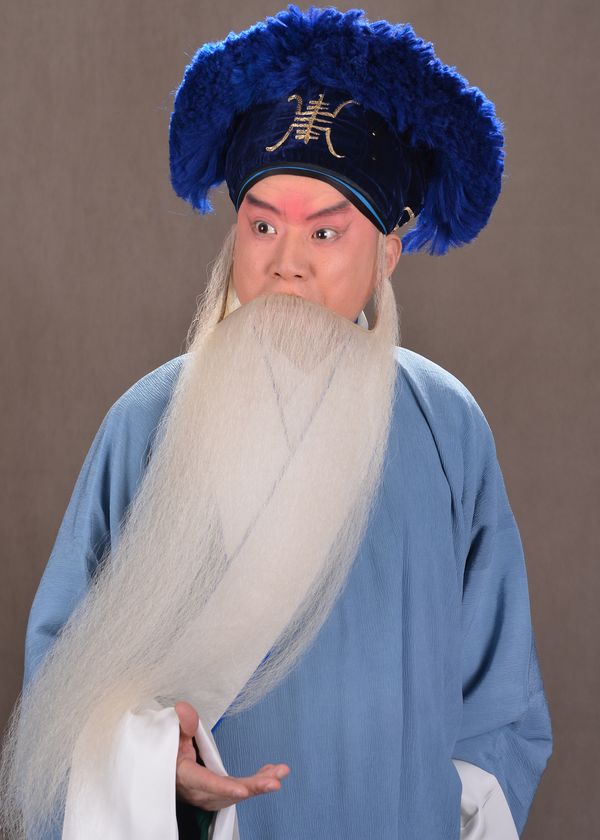
Four Jinshis (Imperial Scholars)
This play tells the story of Mao Peng, Tian Lun, Gu Du, and Liu Ti, the new Imperial Scholars (the highest and final degree in the examination in Imperial China) during the Ming Dynasty Emperor Jiajing’s reign, who went out of Beijing to serve as officials. At that time, the higher official Yan Song grabbed all the power, and these four scholars shared the same hatred of him. While they were drinking together, they encouraged mutually not to violate the law or dereliction of duty after taking office, in order to repay the merits of Hai Rui’s recommendation.
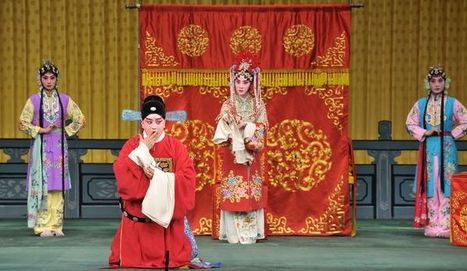
Jin Yunu
The play was formerly known as Hong Luanxi, and also called The Story of Bean Juice and Beating Fickle Lover. This play tells the story of a scholar named Moji, down and out, begging in despair. In the harsh winter, he suffered from hunger and coldness, lying down in front of the beggar leader Jinsong’s gate.
My Videos & Plogs